
Article: Cellphones Transmit Data and the Distribution of Personal Info

Cellphones Transmit Data and the Distribution of Personal Info
Cellphones and Your Personal Data
Cellphones have become integral to modern life, serving as communication hubs, entertainment devices, and work tools. A key feature that makes cellphones so versatile is their ability to transmit and receive data, a process that occurs through intricate networks and protocols. This article explores how cellphones transmit data, the technologies involved, and the ways personal data is shared, distributed, and potentially exposed in the digital ecosystem.
The Basics of Cellphone Data Transmission
At its core, data transmission on a cellphone involves the process of converting digital information into signals that can be transmitted through wireless networks. These networks can be either cellular (4G, 5G) or Wi-Fi, each employing different technologies to send and receive information.
Cellular Networks
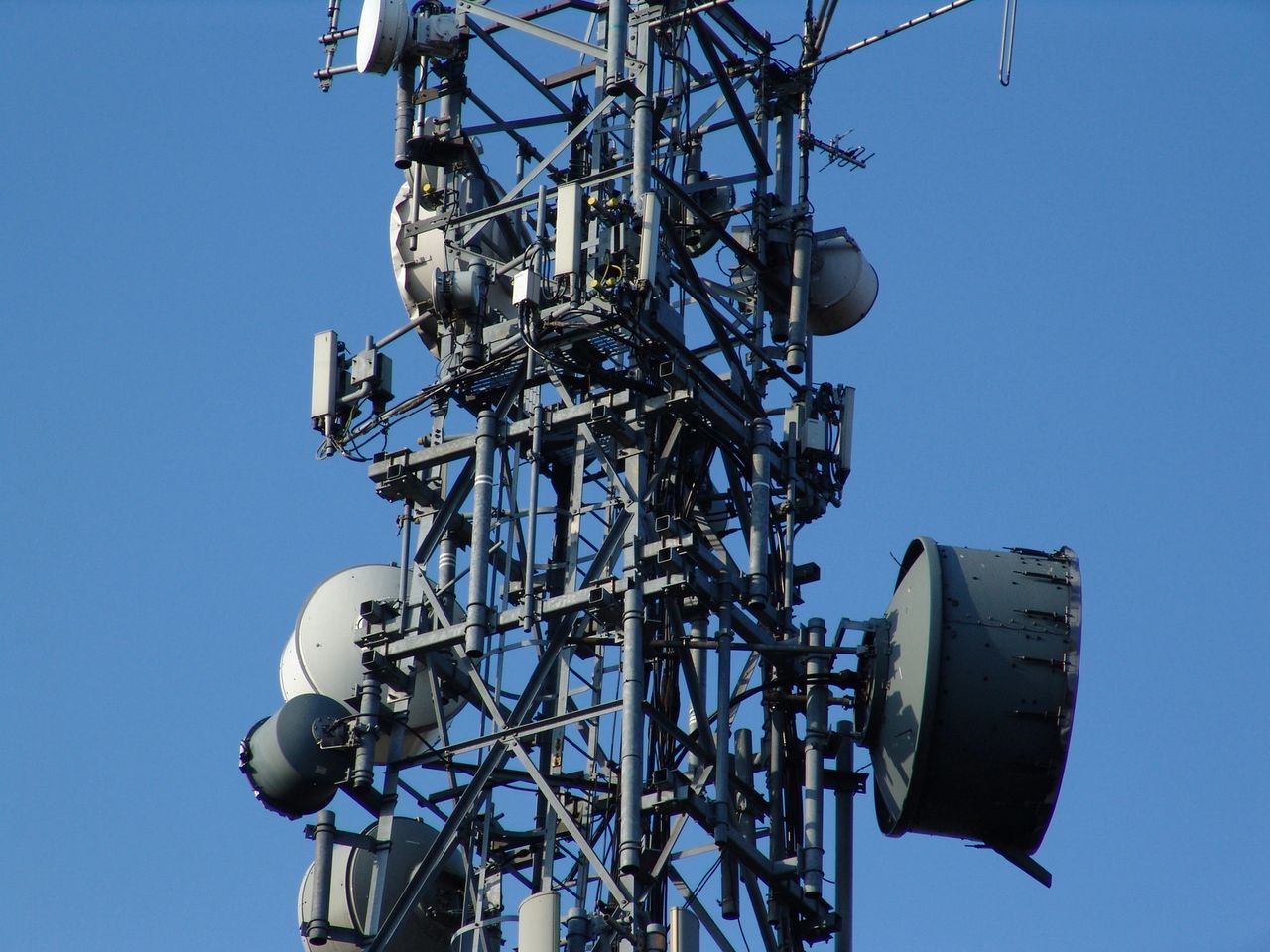
Cellular networks use radio waves to transmit data. When you use a cellphone to browse the internet, send text messages, or make a call, the data is converted into radio signals that are transmitted to nearby cell towers. These towers act as intermediaries, relaying the data to larger networks and eventually to the internet or other cellular devices.
The most common data transmission standards today are 4G and 5G.
- 4G LTE (Long-Term Evolution): This technology allows for high-speed internet access on mobile devices. It offers faster data speeds than previous generations, supporting services like video streaming, gaming, and mobile internet browsing.
- 5G: The next-generation network, 5G, promises even faster data speeds, lower latency (faster response times), and greater network capacity. This allows for better quality video calls, augmented reality applications, and more connected devices, paving the way for the Internet of Things (IoT).
In these systems, data is divided into packets. These packets are small chunks of data that are transmitted independently and reassembled when they reach their destination. This method improves efficiency, reduces errors, and allows for faster communication.
Wi-Fi Networks
Wi-Fi data transmission operates over radio frequencies, but instead of using the cellular towers, it connects to routers that are linked to broadband internet. When a cellphone is within the range of a Wi-Fi network, it will use this connection to access the internet. Wi-Fi is often used for its faster speeds, especially in areas like homes or businesses, where cellular data can be limited or expensive.
Wi-Fi networks can be either open or secured, with secured networks requiring a password for access. The Wi-Fi router encrypts the data being transmitted to prevent unauthorized access and eavesdropping.
The Role of Mobile Apps and Services in Data Transmission
Cellphones not only transmit data between users and the internet but also rely heavily on apps to facilitate data transfer. Apps use the internet to request information from remote servers, send data, or update information stored in the cloud.
Each time you use an app, such as social media platforms (Facebook, Instagram), email services (Gmail, Yahoo), or cloud storage services (Google Drive, Dropbox), your data is transferred between the device and the respective servers that host these services. The process is essentially the same—requests are made from the device to the server, data is transmitted back, and the result is displayed to the user.
How Personal Data is Distributed and Shared
While transmitting data across networks enables seamless communication, it also means that personal data, often unknowingly, can be distributed and shared with various entities. This data can be gathered from multiple sources, including mobile apps, browsing history, location tracking, and interactions with other users. Let's examine how personal data is shared and distributed.
Mobile Apps and Data Collection
When you download and use a mobile app, you often agree to terms and conditions that grant the app provider permission to collect certain types of data. Some of this data is essential for the app to function (such as location data for a map app), while others may be used for marketing, advertising, or improving the user experience.
- Location Data: Many apps request access to your phone’s GPS data, allowing them to track your physical location. This data can be shared with third-party advertisers or data brokers who use it for targeted advertising, or it may be used by the app itself for location-based services like finding nearby businesses or delivering personalized content.
- Personal Identifiable Information (PII): Apps often collect personal data, including names, email addresses, phone numbers, and payment information. This data can be sold or shared with third-party advertisers who target users based on demographics, interests, or behaviors.
- Usage Data: Apps can track how you interact with them, what features you use most, and your browsing habits. This data is valuable for businesses to optimize user experience or to refine their marketing strategies. In some cases, it is shared with external parties.
Cloud Storage and Data Sharing
Cloud storage services like Google Drive, Apple iCloud, and Dropbox allow users to store their files and access them remotely. These services typically have encryption protocols to secure the data while it is being transmitted. However, once the data is in the cloud, it may not be entirely secure from unauthorized access.
Cloud services may share your data with third parties for purposes such as improving services, advertising, or even for legal compliance. For example, tech giants like Google and Apple may share data with their subsidiaries or other companies for integration purposes. While these companies often claim that data is anonymized, there is always a risk that personal data could be exposed in the event of a breach.
Third-Party Advertisers and Data Brokers
One of the primary ways personal data is distributed is through third-party advertising networks. When you use a mobile app or browse the internet, you are likely to encounter personalized ads. These ads are often targeted based on your behavior, preferences, and demographic profile, all of which can be derived from the data your cellphone transmits.
- Data Brokers: These are companies that collect, process, and sell personal data to advertisers and marketers. They gather data from a variety of sources, including mobile apps, websites, and social media platforms. Data brokers may sell information about your buying habits, location, and interests, which is then used to target you with ads or even to influence purchasing decisions.
- Behavioral Advertising: This is an advertising model where data is used to track your online behavior (such as the websites you visit or the products you search for) and deliver ads tailored to your interests. This often involves tracking technologies like cookies, web beacons, and device identifiers that collect and share data about your actions.
The Risks of Data Distribution
While the convenience of data sharing allows for personalized services and targeted advertising, it also presents risks to privacy and security. Some of these risks include:
- Data Breaches: Large-scale breaches of personal data from apps, cloud services, or third-party vendors have become common. Hackers can steal vast amounts of data, including names, email addresses, passwords, and payment information, which can be sold on the dark web or used for identity theft.
- Invasive Tracking: Constant tracking of location, behavior, and interactions allows companies to build detailed profiles of users, which can be used for more intrusive forms of advertising or even political manipulation.
- Lack of Control: Users often don’t have full control over how their data is distributed. Even if data is anonymized or aggregated, it is still being shared with multiple parties, and users may not be aware of the full extent of this distribution.
Conclusion
Cellphones are at the center of modern digital communication, allowing users to transmit and receive data with ease. From basic text messages to complex cloud-based interactions, data transmission technologies like cellular networks and Wi-Fi enable seamless connectivity. However, this constant exchange of data comes with significant privacy concerns, especially when it comes to the distribution of personal information. As users, it is important to be aware of how our data is transmitted, who it is shared with, and how we can protect our privacy in a world where personal data is a commodity.
To safeguard personal information, users should take proactive steps such as reviewing app permissions, using encryption tools, avoiding unsecured networks, and regularly checking privacy settings on their devices and apps. With the right knowledge and precautions, we can continue to enjoy the benefits of mobile technology while minimizing the risks to our personal data.
Leave a comment
This site is protected by hCaptcha and the hCaptcha Privacy Policy and Terms of Service apply.