
Article: Thanksgiving: A Celebration of Tradition and Unity

Thanksgiving: A Celebration of Tradition and Unity
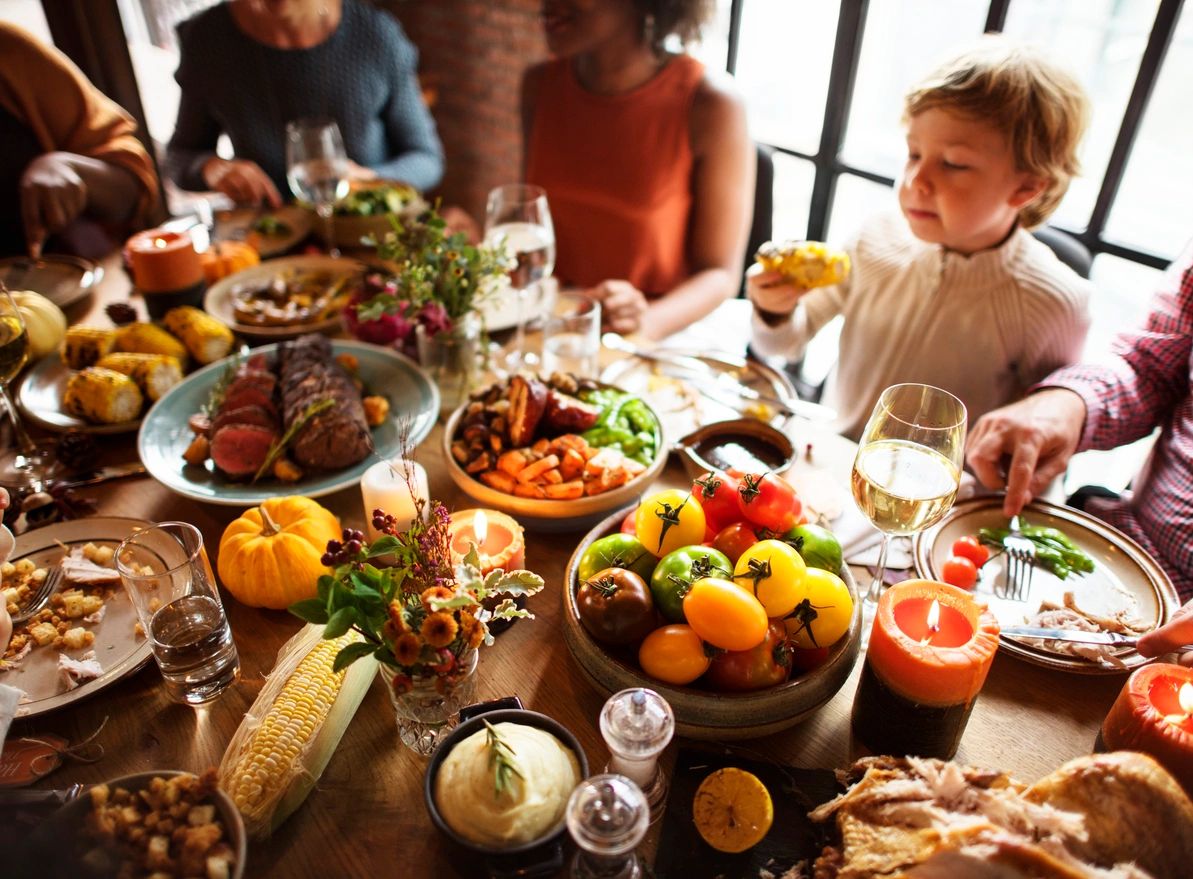
Thanksgiving is a cherished holiday in the United States, marked by gatherings with loved ones, feasting, and expressions of gratitude. Its history is deeply rooted in early American traditions and historical events that have shaped the nation. In this blog, we'll delve into the origins of Thanksgiving, tracing its beginnings to the early interactions between Native Americans and English settlers and exploring how it evolved into the holiday we celebrate today.
The First Thanksgiving
The origins of Thanksgiving can be traced back to the early 17th century when English Pilgrims and Native Americans came together for a bountiful harvest celebration. Here's a brief overview of the key events:
- The Arrival of the Pilgrims: In September 1620, the Mayflower, a ship carrying English Pilgrims (Separatists) seeking religious freedom, arrived at what is now Plymouth, Massachusetts. These settlers established the Plymouth Colony, but the harsh New England winter took a toll on them.
- The Help of the Wampanoag Tribe: In 1621, the Wampanoag people, Native Americans who had inhabited the region for thousands of years, generously provided the Pilgrims with essential knowledge about farming, including planting and harvesting techniques.
- A Bountiful Harvest: With the assistance of the Wampanoag, the Pilgrims experienced a successful harvest in the fall of 1621. Grateful for their survival and the abundance of food, they decided to hold a three-day feast to give thanks to God and their Native American friends.
- The Feast: The first Thanksgiving feast was likely a modest affair compared to today's celebrations. It featured venison, fowl (wild turkeys, ducks, and geese), seafood, corn, and various vegetables. The meal symbolized the harmony and unity between the Pilgrims and the Wampanoag.
Thanksgiving Evolves Over Time
The early thanksgiving feasts served as a symbol of unity and gratitude between the Pilgrims and the Wampanoag, but it wasn't an annual tradition. Thanksgiving as we know it today went through several transformations:
- Abraham Lincoln's Proclamation: In 1863, President Abraham Lincoln issued a proclamation declaring Thanksgiving as a national holiday. He sought to foster unity during the Civil War and promote gratitude for the nation's blessings.
- The Influence of Sarah Josepha Hale: Hale, a prominent writer and editor, played a significant role in advocating for a national Thanksgiving holiday. She spent 17 years lobbying for its establishment before Lincoln's proclamation.
- Modern Thanksgiving Traditions: Over the years, Thanksgiving has become a day for families and friends to come together for a grand feast. It includes various dishes, with roast turkey being the centerpiece, and often features parades, football games, and expressing gratitude.
Conclusion
The origins of Thanksgiving are rooted in the early interactions between English Pilgrims and Native Americans, emphasizing unity, gratitude, and the celebration of a bountiful harvest. Today, Thanksgiving remains a beloved holiday, marked by family gatherings and expressions of thanks. While the traditions have evolved over the centuries, the core values of gratitude, unity, and sharing a meal with loved ones continue to define this cherished American holiday. Thanksgiving serves as a reminder of the enduring significance of giving thanks and coming together to celebrate our blessings. Enjoy!!
Leave a comment
This site is protected by hCaptcha and the hCaptcha Privacy Policy and Terms of Service apply.