

Not Your Thanksgiving Ham (Radio)
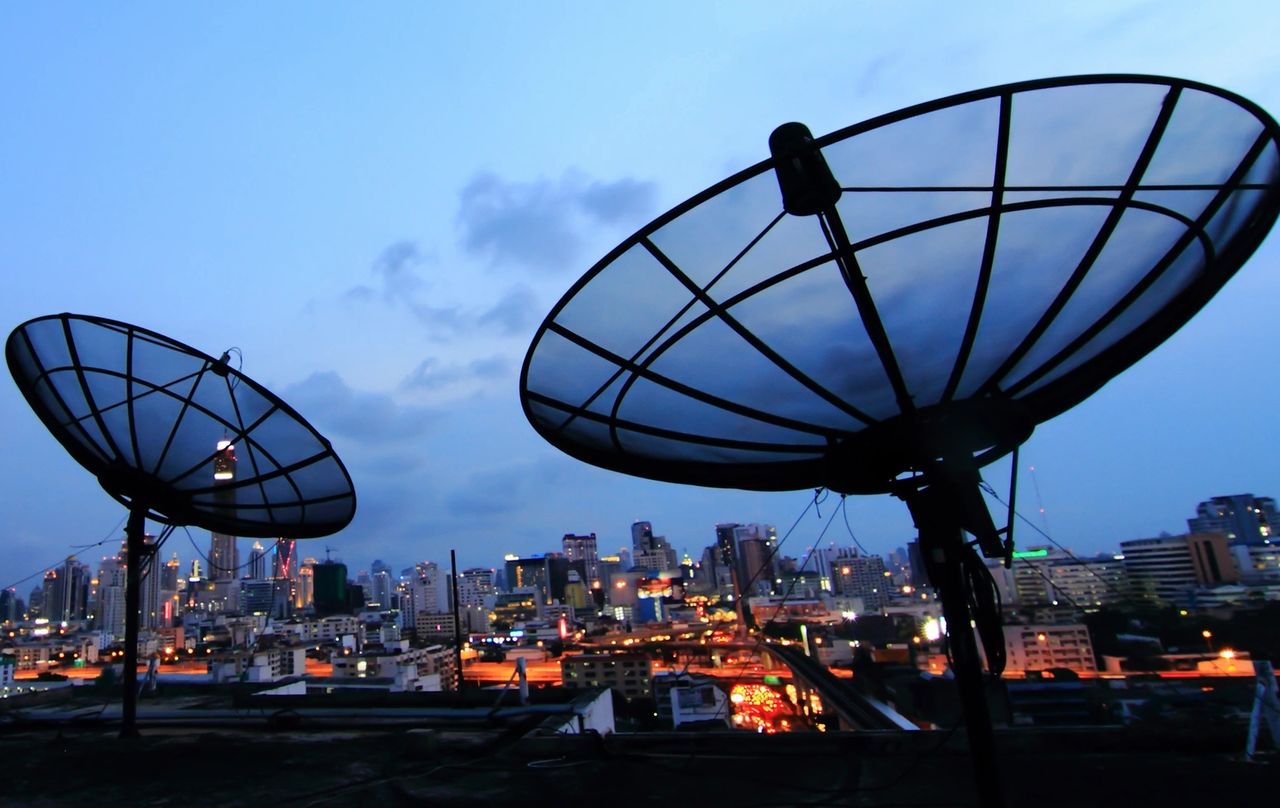
Amateur radio, often referred to as ham radio, is a fascinating hobby that allows individuals to communicate with others across the globe using radio frequencies. This unique form of communication can be both enjoyable and educational, providing opportunities for connecting with people, participating in emergency communication efforts, and delving into the technical aspects of radio technology. Whether you're a newcomer or a seasoned ham radio operator, these tips and tricks will help you make the most of your amateur radio experience.
1. Obtain a License:Before diving into the world of amateur radio, it's essential to obtain the appropriate license for your country. Amateur radio licenses are regulated to ensure operators have a basic understanding of radio operation, safety protocols, and relevant regulations. Licensing also grants access to specific frequency bands, allowing for better communication capabilities.
2. Learn Morse Code:While not a requirement in most cases, learning Morse code can greatly enhance your ham radio experience. It opens up the possibility of communicating with other operators using this time-honored method. Morse code can be particularly useful in challenging conditions when voice communication is difficult.
3. Choose the Right Equipment:Selecting the right equipment is crucial for a satisfying ham radio experience. Begin with an entry-level transceiver that covers multiple frequency bands. As you gain experience, you can explore more advanced equipment with specialized features. Don't forget to invest in a good antenna – often, the antenna is just as important as the radio itself.
4. Embrace Antenna Basics:Understanding antenna theory and design is essential. Different types of antennas are suited for various purposes and frequency ranges. Experimenting with different antenna setups can significantly improve your signal strength and communication range.
5. Join a Ham Radio Club:Connecting with fellow enthusiasts through local or online ham radio clubs is a fantastic way to learn from experienced operators, exchange tips, and stay updated on the latest trends and technologies. These clubs often organize contests, field days, and workshops that can expand your knowledge and skills.
6. Practice Regularly:Consistent practice is key to honing your ham radio skills. Engage in on-air conversations, participate in contests, and even simulate emergency scenarios to enhance your proficiency. Regular practice not only improves your technical skills but also helps you become a more confident operator.
7. Experiment with Propagation:Radio propagation refers to the way radio waves travel and interact with the Earth's atmosphere. Learn about different propagation modes, such as tropospheric ducting and ionospheric skip, which can allow you to communicate over impressive distances.
8. Stay Informed:The world of amateur radio is constantly evolving, with new technologies and regulations shaping the landscape. Stay informed by reading ham radio magazines, joining online forums, and attending local radio events or conferences. This ensures you're up to date with the latest trends and insights.
9. Emergency Preparedness:Amateur radio operators often play a crucial role in emergency communication during natural disasters and other emergencies. Familiarize yourself with emergency protocols, relevant frequencies, and local emergency services to be better prepared to assist when needed.
10. Respect Regulations:Adhere to the regulations and guidelines set forth by your country's regulatory authority. These regulations are in place to ensure safe and interference-free radio operation. Operating outside the bounds of these regulations can result in penalties and disruptions to communication networks.
In conclusion, amateur radio is a captivating hobby that combines technology, communication, and community. By obtaining the necessary license, acquiring the right equipment, learning from experienced operators, and staying informed about the latest developments, you can embark on a rewarding journey in the world of ham radio. Remember, it's not just about the technicalities – it's also about the connections you make and the knowledge you gain along the way. So, set up your station, tune in to the frequencies, and start exploring the vast possibilities of amateur radio.
Leave a comment
This site is protected by hCaptcha and the hCaptcha Privacy Policy and Terms of Service apply.