
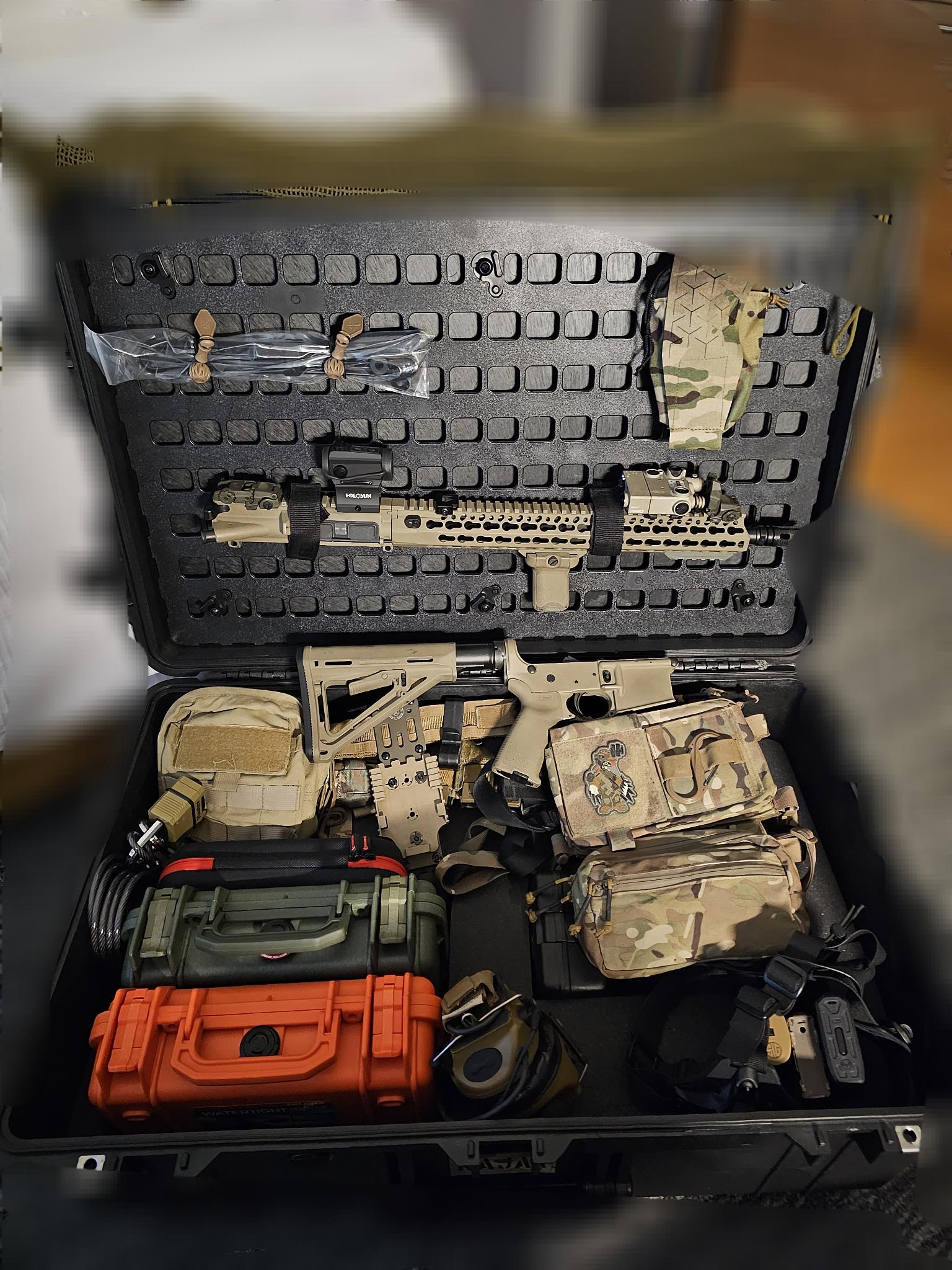
Evolution of Tactical Gear: From Battlefield to Everyday Use
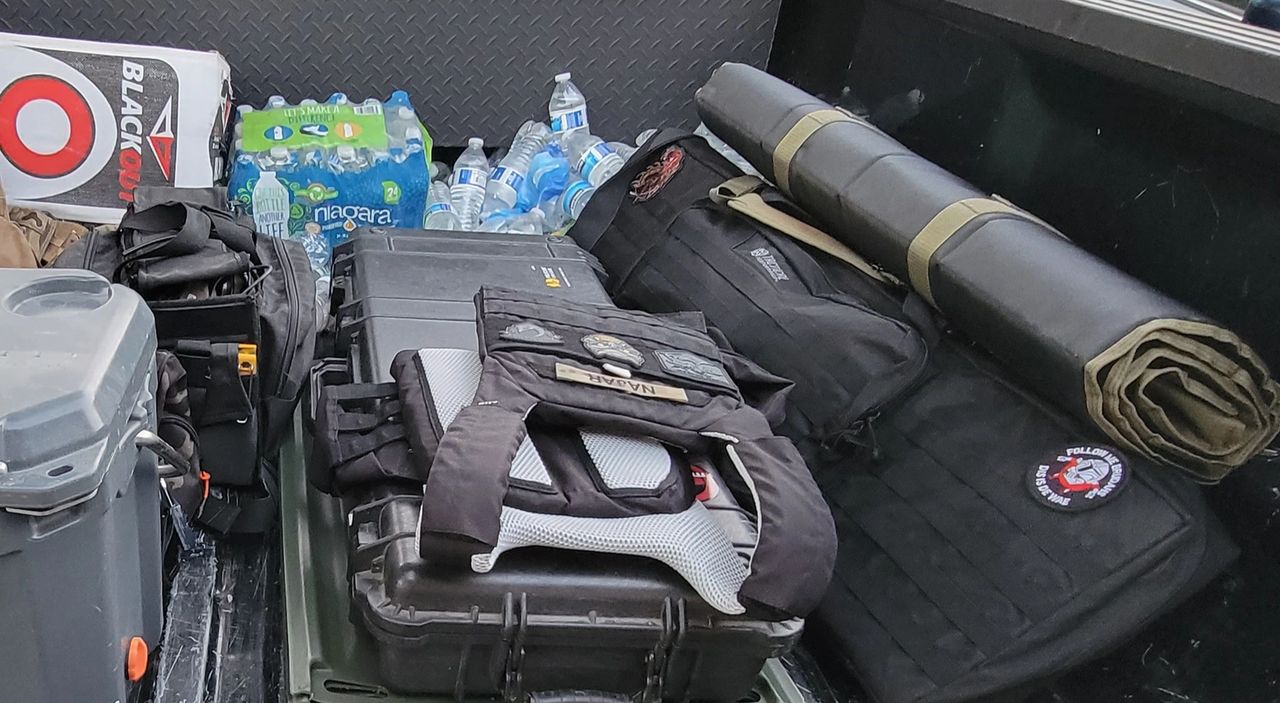
Tactical gear has evolved significantly over the years, transitioning from its origins in military applications to becoming a staple in everyday life for many individuals. This article explores the evolution of tactical gear, tracing its journey from the battlefield to its widespread adoption in various civilian and professional settings.
The Origins of Tactical Gear: Tactical gear finds its roots in military applications, where it was developed to provide soldiers with equipment optimized for combat scenarios. Early examples include basic items such as helmets, body armor, and weapons accessories designed to enhance soldier survivability and effectiveness on the battlefield. These early iterations laid the foundation for the expansive array of tactical gear available today.
Expansion into Law Enforcement and Security: As tactical gear gained recognition for its utility in military settings, it began to see adoption in law enforcement and security sectors. Police officers and security personnel found that many of the features and benefits offered by tactical gear could enhance their effectiveness in high-risk situations. Items such as ballistic vests, flashlights, and tactical holsters became standard equipment for many law enforcement agencies, further driving the evolution of tactical gear beyond its military origins.
Civilian Adoption and the Rise of Everyday Carry (EDC):In recent years, tactical gear has experienced a surge in popularity among civilians, driven in part by a growing interest in emergency preparedness, outdoor activities, and self-defense. Everyday carry (EDC) enthusiasts, in particular, have embraced tactical gear as a means of being prepared for unexpected situations in their daily lives. Items such as multi-tools, pocket knives, and compact flashlights are now commonly included in EDC setups, reflecting the widespread integration of tactical gear into civilian lifestyles.
Technological Advancements and Innovation: Advancements in materials science, manufacturing techniques, and design principles have played a crucial role in the evolution of tactical gear. Modern materials such as lightweight ceramics and advanced polymers have enabled the development of gear that offers enhanced protection without sacrificing mobility or comfort. Additionally, innovations in modular design have made tactical gear more customizable and adaptable to a wide range of user needs and preferences.
The Future of Tactical Gear: Looking ahead, the future of tactical gear appears poised for continued innovation and diversification. As technology continues to advance, we can expect to see further improvements in performance, durability, and functionality across a broad spectrum of tactical gear products. Additionally, the growing convergence of tactical gear with wearable technology and smart devices is likely to open up new possibilities for enhancing user capabilities and situational awareness.
From its humble beginnings on the battlefield to its widespread adoption in civilian life, the evolution of tactical gear represents a remarkable journey of innovation and adaptation. As we look to the future, tactical gear is poised to remain an essential tool for professionals and civilians alike, providing the means to stay prepared and protected in an uncertain world.


Leave a comment
This site is protected by hCaptcha and the hCaptcha Privacy Policy and Terms of Service apply.