
Simple First Aid
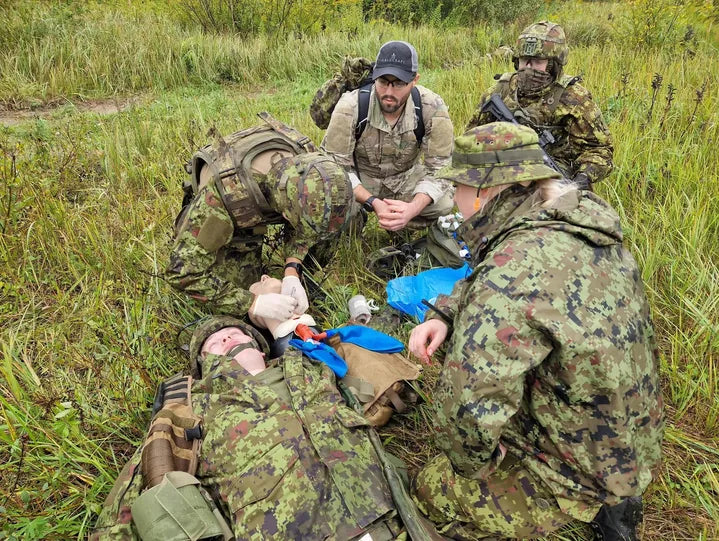
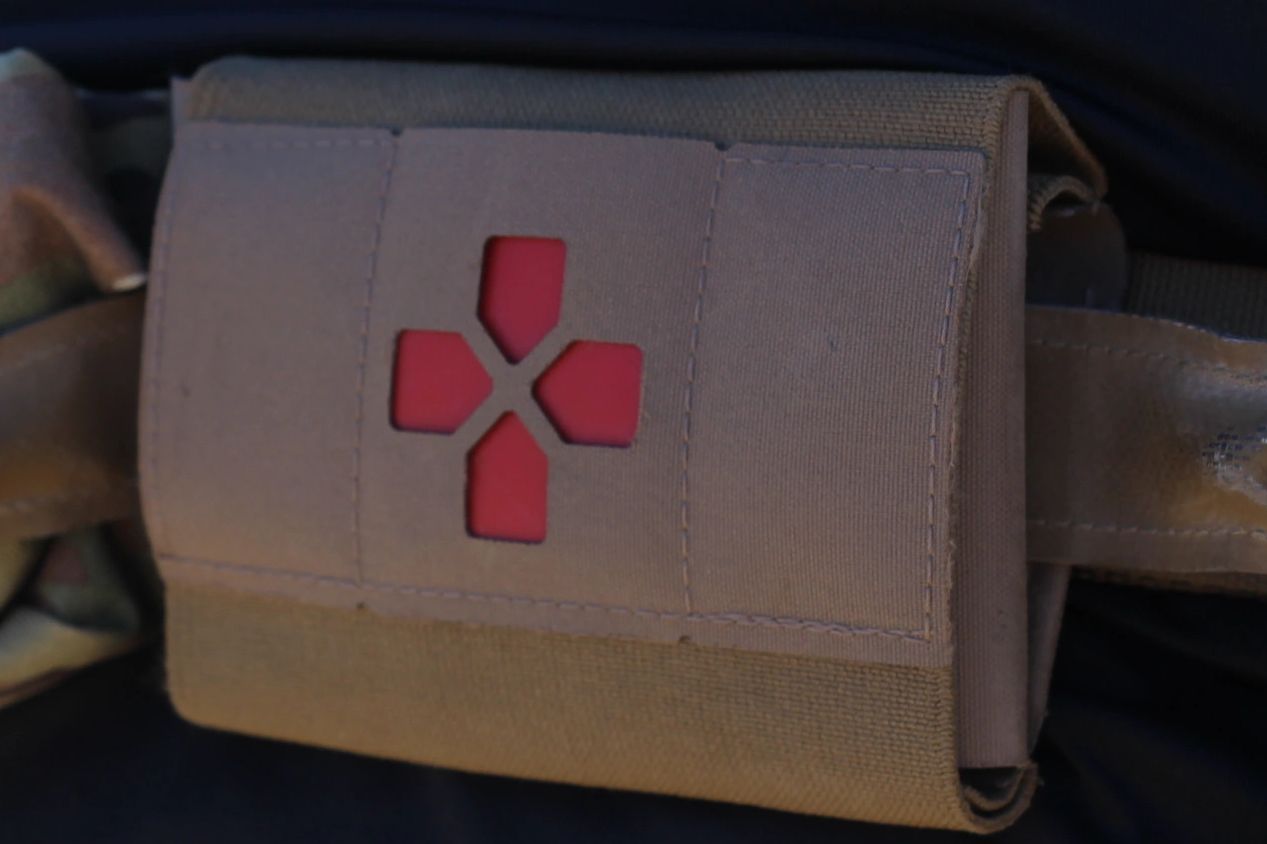 Accidents can happen anytime, anywhere. Being prepared with basic first aid skills can make a significant difference in emergencies. This easy-to-use first aid guide will help you understand and respond to common injuries and situations. Remember, the primary goal of first aid is to stabilize the situation until professional medical help arrives.
1. Assess the Situation
Before jumping into action, assess the scene for safety. Ensure it's safe for you, the victim, and bystanders. If there are potential dangers (fire, electrical hazards, traffic), address them or move to a safer location if possible.
2. Call for Help
If the situation is serious, or if you're unsure about the severity of the injury, call 911 (or your local emergency number) immediately. Provide clear information about your location, the number of victims, and their condition.
3. Basic First Aid for Common Injuries
A. Cuts and Scrapes
- Wash your hands with soap and water.
- Clean the wound gently with soap and warm water.
- Apply an antibiotic ointment.
- Cover the wound with a sterile bandage or dressing.
- Replace the bandage if it gets dirty or wet.
B. Burns
- Remove the source of heat or chemicals.
- Cool the burn under running cold water for at least 10 minutes.
- Cover the burn loosely with a sterile, non-stick bandage or clean cloth.
- Do not pop any blisters.
C. Sprains and Strains
- Rest the injured area.
- Ice the area (for 20 minutes every 1-2 hours).
- Compress the area with an elastic bandage.
- Elevate the injured limb to reduce swelling.
- Avoid putting weight on the injured area.
D. Fractures and Broken Bones
- Keep the victim as still as possible.
- Call for professional medical help.
- Immobilize the injured limb with a splint, if available.
- If bone is protruding, do not try to push it back in; cover with a sterile dressing.
E. Choking
- Ask the victim if they can speak or cough (if they can, encourage coughing).
- If the victim can't speak or is turning blue, perform the Heimlich maneuver (abdominal thrusts):
- Stand behind the victim, place a fist above their navel, and grab it with your other hand.
- Thrust inward and upward with quick, forceful movements until the object is expelled or the victim can breathe.
4. CPR (Cardiopulmonary Resuscitation)
If someone is unresponsive and not breathing:
- Call 911 or your local emergency number.
- Start CPR:
- Place the heel of one hand on the center of the victim's chest.
- Place your other hand on top and interlock your fingers.
- Use your body weight to perform chest compressions at a rate of 100-120 per minute.
- After 30 compressions, give two rescue breaths (tilt the victim's head back, pinch their nose, and give a breath lasting 1 second each).
- Continue CPR until help arrives or the victim starts breathing.
5. Stay Calm and Reassure
Your demeanor and reassurance can make a significant difference to the injured person. Stay calm, provide comfort, and remind them that help is on the way.
Remember: This guide is for basic first aid. Proper training in first aid and CPR is highly recommended for more complex situations. Always seek professional medical care for severe injuries or if you're uncertain about the best course of action.

Leave a comment
This site is protected by hCaptcha and the hCaptcha Privacy Policy and Terms of Service apply.